We’ve all heard of “Hot Yoga” or traditionally called Bikram Yoga, after the man Bikram Choudhury who created it and is largely responsible for making yoga so mainstream so quickly on the west coast of the United States starting in the 1970s. If you have never done a traditional Bikram Yoga class, this practice consists of 26 asanas (physical postures) over a 90 minute period of time, with the room temperature being between 95-115 degrees Fahrenheit with a 85% or more humidity to the room. It’s hot, sweaty, and slippery if you don’t come prepared with a towel or fabric mat for the sweat to soak into. It’s quite the ordeal if you ask me.
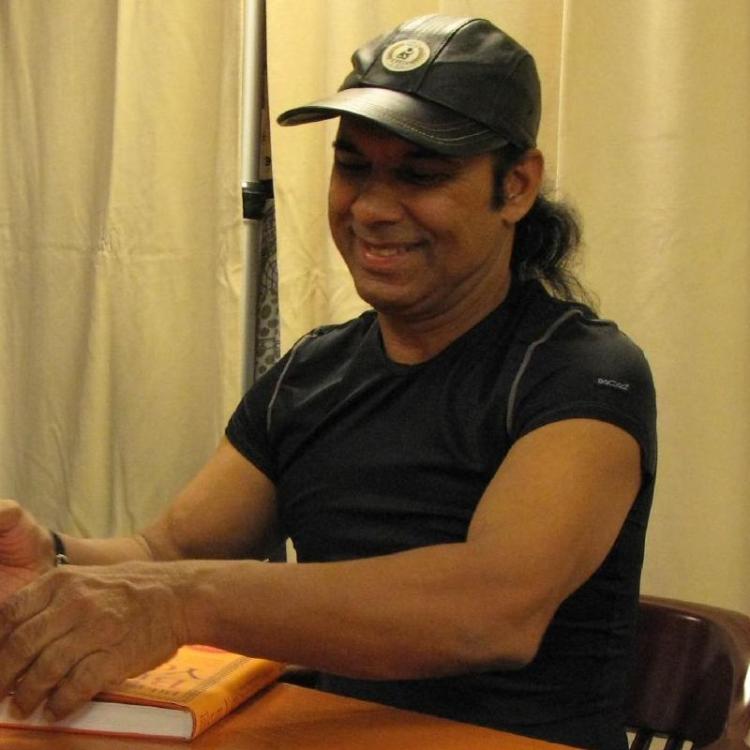
All Bikram was really trying to do was put together a yoga class that hits all the muscle groups to kick your ass into shape, and also simulated India’s weather, which is very different than the breezy 75 and little humidity that Southern California is known for.
As someone who did their yoga teacher trainings in India during Monsoon season, one of the most humid and hot seasons to endure, I am very much accustomed to the ecosystem that India provides during one’s asana practice. During my trainings, we did 4 hours of asana per day (2 hours in the morning and 2 hours in the evening) in 115+ degree heat with 98% humidity. Breathing felt like drinking water. It was damn near like practicing in a steam sauna, and there is no doubt that it did help open your lungs, loosen your muscles, and overall allow your entire body to breathe, sweat, and cleanse. So, I completely understand why when Bikram came to the US and started teaching asana, he quickly noticed the temperature/humidity difference, and wanted to bring a little bit more of India into his classes. He did something nobody had done before, and created the environment so people could feel how he felt when he practiced in his homeland.

I fully believe that practicing in a warmer, more humid environment is beneficial for your body and muscles; it’s literally science. In cold temperatures your muscles contract and it is much more difficult, nearly impossible, to get a stretch if you’re freezing your ass off. So yes, I agree one must be comfortable at the least. Heat is also great, but it is not necessary. It can be a nice “every so often” practice if you really want to sweat out some toxins or get some deep stretching in, but it is by no means a practice that is the end all be all of practices. In fact, it covers very little yoga at all.
As I said before, Bikram Yoga is a series of 26 yoga asanas. There are hundreds of asanas available for your body. Twenty-six is skimming the surface, and they don’t cover everything in my professional opinion. I’ve taught Bikram classes for years before; trust me when I say that there is much more in the yogic realm to be discovered than this practice.
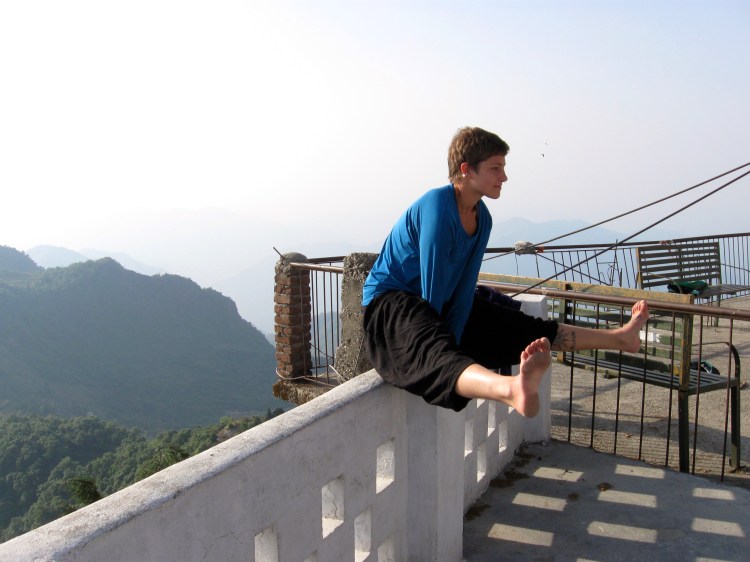
Not only does it only touch on a very limited amount of poses, it also does not include pranayama or meditation, which are the other two sections of the three-part braid of yoga: Asana, Pranayama, and Meditation. No part is more important than the other, they are all equal and intertwined with each other. So if you are only doing Asana and not Pranayama or Meditation, you are not doing yoga. You are simply doing aerobics, or exercise. In fact, Bikram’s guru unfortunately passed away before he ever taught him pranayama or meditation, which is why he focused primarily on the asanas, and is also known to be quite the slime ball. Yes, I said it. But it probably comes down to him being so physically focused, and didn’t care about/wasn’t taught the more important aspects of the mind and heart that you learn in Pranayama and Meditation.
So, in a nut shell, I feel that Bikram Yoga, or Hot Yoga, really is a surface level practice, and is more of an exercise class than anything else. In my opinion, it is hardly considered Yoga at all. However, there is no doubt that doing those 26 poses in a heated room is good for your body’s mobility, flexibility, and strength; and the sweat is a great detox for your skin. But that doesn’t mean that it’s the best thing out there. It just means it’s a good tool if you feel you need it. And it certainly isn’t necessary to practice Hot Yoga or Bikram yoga to be practicing Yoga.
There are many ways to practice yoga, but ultimately yoga isn’t a class or a practice, it’s a lifestyle. It’s a way of being, of seeing and an act of love. It is not ego-driven, it is not after a “hot body”. It is a mindful way of interaction with the world around you, within you, at all times. If you’d like to try out what I call a “real” yoga class, check out my Free Hatha Yoga class here! This is one free full hour Hatha Yoga class that incorporates Asana, Pranayama, and Meditation, and is a well rounded beginners course into what real yoga is. I made this class so you can feel the difference yourself between the physical and the metaphysical, and begin to weave the threads of asana, meditation, and pranayama into your everyday life.
Want to know more about Yoga? Check out my Online Yoga Courses page where you can start your practice right where you are.

Discover more from Holistic Hatha Yoga
Subscribe to get the latest posts sent to your email.
